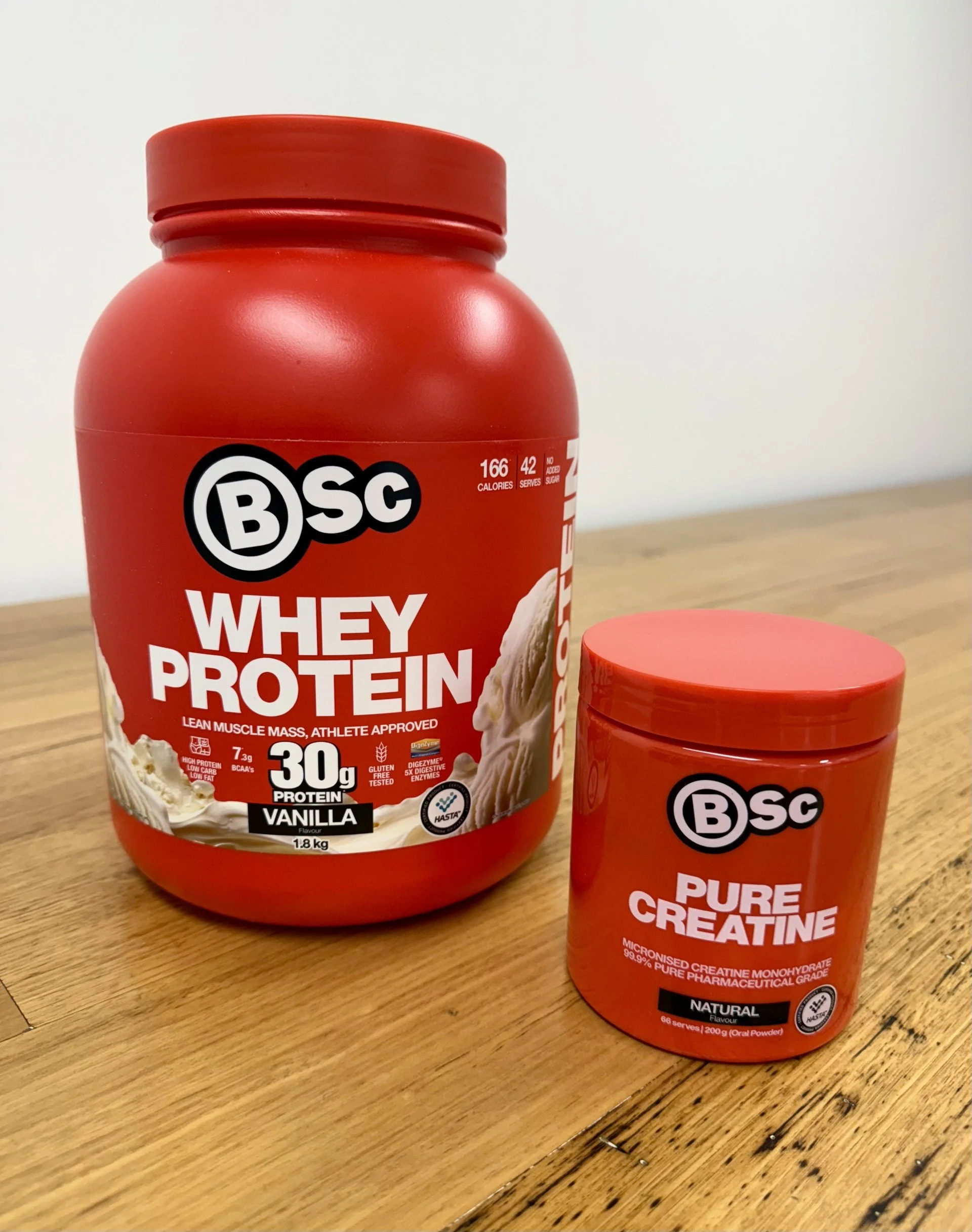
If I had a most Frequently Asked Questions section, creatine and protein for teenagers would be right at the top. It would most likely be asked by a teenage boy who was trying to bulk up for basketball, football or just for the beach. Or it might be their mum, dad or coach asking. The desire (or pressure) to gain muscle for young active males is increasingly prevalent. Whether it be for performance, aesthetics or a bit of both, the strategies introduced via food and supplements can literally make or break a young person. But how much protein is necessary for teenagers and is creatine really worth the hype?
Why do kids want to put on weight?
Concerns about body image and appearance are inextricably linked to the teenage years. The rise of social media and things like the new Looksmaxxers trend don’t help, and while traditionally the appearance focus for boys has been lean and toned, there is currently an increased focus on bulking up - fast. Aesthetics is one thing, but the type of teenagers I see in clinic who want to gain muscle are usually also interested in performance benefits. It may be that a teenager is feeling too light to compete - they are looking for a performance advantage over their peers or just want to keep up with the average. This is a particular problem for adolescent boys - they all grow at different rates and body shape and comparison of size and strength within an age group is a futile activity. Those who hit puberty earlier are going to be bigger and stronger - it’s just facts. But this gap creates urgency for young kids playing sport and rather than allowing natural development, the race begins to attempt to force muscle growth.
The Quick Fix
How can I get big fast? The natural tendency is to look for a magic solution. Some do want to work on their training and diet, but the allure of legal enhancement via supplements is increasingly appealing. There’s also the illegal enhancement options, however we’ll park that one straight away in discussions around adolescents (while acknowledging this is an option that some individuals look to pursue). Nutrition can be the next step, but I am pretty sure many teenagers miss the ‘eat well’ part and head straight to the protein powders and creatine without getting food right first. A suggested order of introduction for teenagers wanting to fuel and perform well and support muscle development:
Eat well - start with that.
Protein powder - rarely required.
Creatine - no, absolutely not.
Start with food
If a child or teenager is truly eating well to support growth, training and general energy expenditure the benefits are significant. With some tailored planning, most kids can meet their daily protein needs. The part that can be more challenging is the calories. Active teenagers can find it difficult to find enough time and appetite to eat and drink enough to meet their elevated needs, and often kids have no interest in scheduling their life around snacks! It’s usually not extra protein they need (although some do need strategies to assist) - it’s extra energy. Yes, meet base protein needs via food and drinks, and bolster these with additional calories. Protein powder not required. Instead of the protein shake, make a fruit smoothie with the lot that provides the protein along with all the extra nutrients and energy.
Protein powder
There aren’t too many situations where a teenager needs a protein shake. Saying that, occasionally for convenience or for vegetarians there could be a place to add it to dietary intake, but usually there’s no need for expensive powders as a daily supplement. There are plenty of foods that contain protein and that are also rich in other important nutrients for kids (see link to my article at the end for more on protein). Many typical protein powders are just protein with no other nutritional value.
Creatine
It’s quite staggering how popular creatine has become and somehow it seems to be sneaking into the lives of an increasing number of teenagers. Creatine is a well-researched supplement, however it’s not well-researched in bodies that are still growing. When kids can achieve amazing progress with their development when supported by age-appropriate training and nutrition, there’s no need to mess with that process. There are risks of trying to force weight gain, especially in a growing adolescent who is also training hard, and without proper research we don’t really know the entirety of risks we may be exposing kids to.
When the creatine gummies become more of a priority than eating breakfast and snacks with protein, we have an even bigger problem. Creatine is not going to work without the baseline nutrition and training in place - a complete waste of time and money and not without potential risks.
What works?
If teenagers really want to build some muscle then they have to get serious about their nutrition. The amount and timing of protein is important but perhaps not as important as total energy (calorie) intake. It’s a myth that elite athletes all take supplements like protein powder and creatine. If some of the best athletes in the world focus on the fundamentals of nutrition, training and sleep to support performance, why would we experiment with kids who are still growing? Muscle growth and development in teenagers are often related to stage of puberty, so it’s critical to stop comparing and focus on the things that will help you reach your potential, safely, and at a developmentally appropriate pace.
Interested in this topic? More articles on my website below:
Back to basics protein - foods that contain the most and best protein for recovery and training
Why junior athletes are not small adults when it comes to body composition
Recovery smoothie recipe
I also have my book Super Food for Performance in Work, Sport and Life in printed and ebook format on sale here.