supplements

Collagen vs whey - which to choose for what

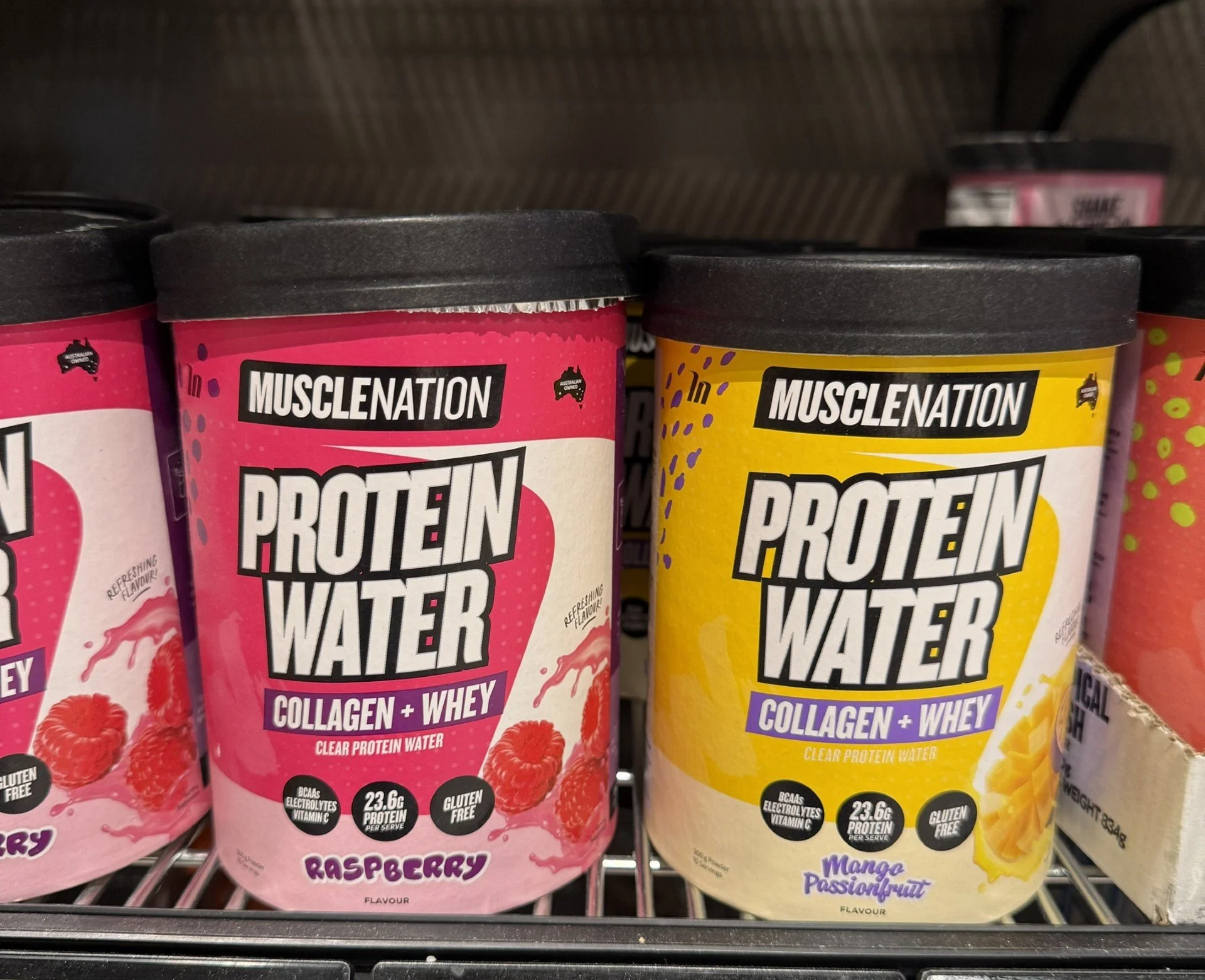
With the increasing number of collagen and protein products out there, it can be hard to know what they do, if they are worth it and will they work for you? Collagen presents itself in powders, bars, desserts and even hot chocolate, and touts impressive claims for improving skin appearance, reducing wrinkles, fixing joints and helping muscles recover from the gym. While there is some evidence for the benefits of collagen, is it really the magic supplement it claims to be? Whether it’s collagen and or whey protein, the right choice of supplement and how we take it will determine if there will be any benefit. Dose matters too. If we are spending all that money on protein, how do we choose so it works at its best for our specific needs? Let’s take a closer look at collagen vs whey.

What is collagen?

Collagen is the most abundant protein in the body. It’s a key component of structures such as bones, ligaments, tendons, cartilage, blood vessels, organs and as we are constantly reminded, skin. Our body produces it’s own collagen, but this reduces as we age. There are a few specific foods that provide collagen eg. gelatin and bone broth, however a lot of collagen these days is consumed via commercial products with a measured daily dose. With advancing research there is a focus on the amount of collagen consumed, rather than relying on an unknown quantity from animal foods.

Collagen is a very specific type of protein. It doesn’t act like most protein powders in the body and it could not be any more different to whey protein. When collagen is consumed it is broken down to the predominant amino acids glycine and proline. These are then available for rebuilding in the body (you can read more about the specifics of collagen here Can jelly heal tendons? Maybe..... ) and may be beneficial for connective tissue and are used widely for tendon health. Studies on oral collagen supplementation are still mixed, and unfortunately collagen will have zero impact on muscle - remember this when you are buying protein powder!

What is whey?

Unlike collagen, whey protein contains all of the essential amino acids your body needs and is therefore a complete protein. It’s rich in leucine, which is the main amino acid involved in driving muscle protein synthesis. That’s why whey is often promoted as the golden choice for muscle recovery after exercise. Whey protein is often recommended due to it’s quality and speed of digestion, however in many situations the speed of absorption isn’t critical to muscle recovery and a high-quality protein food option will do the trick quite nicely. WPI is a little more refined than WPC and the main difference is a little less carb/lactose in WPI, but differences are negligible and both are very effective protein sources for muscle recovery.

Which one for what?

Collagen can potentially be beneficial for connective tissues that require collagen for structure. But lacking leucine, collagen is pretty much useless for muscle recovery. So if you see a powder that’s recommended for muscle gains but is predominantly collagen, it’s not going to help your muscles and you will be wasting your money.

For muscle growth and recovery, it’s whey all the way.

When and how

The collagen dosage found to be useful for tendon and ligament health is very specific, as is timing (refer to Can jelly heal tendons? Maybe...... ). Whey is often recommended to consume within a short period after exercise, however rapid intake is less important than overall high quality protein intake over a day. Whey can be great for convenience and ease, but you can also get your protein from food without the need for supplements.

What to do

If you have sport or exercise goals and you are looking for a great recovery option to get the best results for muscle then whey is your go-to.

If you have a recent tendon/ligament injury and you are trying to speed up recovery – collagen might help. Dose, timing and intake of other nutrients like Vitamin C is everything. Perhaps worth discussing with your local Accredited Sports Dietitian if you have specific injury recovery goals.

Collagen won’t help muscle. Whey won’t help tendons. Eating well and tailoring protein intake and supplements to your individual needs may very likely help both.

Creatine vs Protein for teenagers who want to bulk up

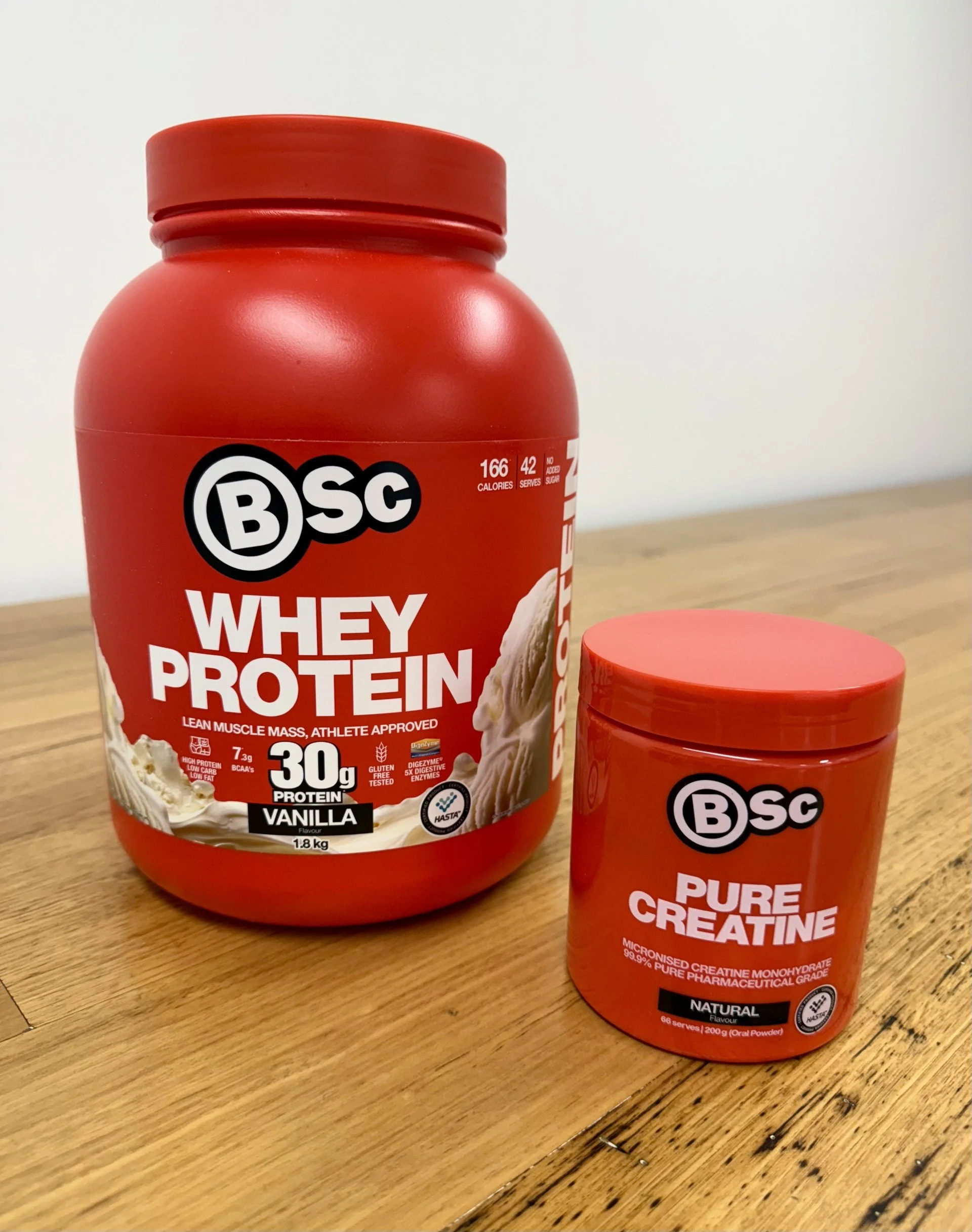
If I had a most Frequently Asked Questions section, creatine and protein for teenagers would be right at the top. It would most likely be asked by a teenage boy who was trying to bulk up for basketball, football or just for the beach. Or it might be their mum, dad or coach asking. The desire (or pressure) to gain muscle for young active males is increasingly prevalent. Whether it be for performance, aesthetics or a bit of both, the strategies introduced via food and supplements can literally make or break a young person. But how much protein is necessary for teenagers and is creatine really worth the hype?

Why do kids want to put on weight?

Concerns about body image and appearance are inextricably linked to the teenage years. The rise of social media and things like the new Looksmaxxers trend don’t help, and while traditionally the appearance focus for boys has been lean and toned, there is currently an increased focus on bulking up - fast. Aesthetics is one thing, but the type of teenagers I see in clinic who want to gain muscle are usually also interested in performance benefits. It may be that a teenager is feeling too light to compete - they are looking for a performance advantage over their peers or just want to keep up with the average. This is a particular problem for adolescent boys - they all grow at different rates and body shape and comparison of size and strength within an age group is a futile activity. Those who hit puberty earlier are going to be bigger and stronger - it’s just facts. But this gap creates urgency for young kids playing sport and rather than allowing natural development, the race begins to attempt to force muscle growth.

The Quick Fix

How can I get big fast? The natural tendency is to look for a magic solution. Some do want to work on their training and diet, but the allure of legal enhancement via supplements is increasingly appealing. There’s also the illegal enhancement options, however we’ll park that one straight away in discussions around adolescents (while acknowledging this is an option that some individuals look to pursue). Nutrition can be the next step, but I am pretty sure many teenagers miss the ‘eat well’ part and head straight to the protein powders and creatine without getting food right first. A suggested order of introduction for teenagers wanting to fuel and perform well and support muscle development:

Eat well - start with that.

Protein powder - rarely required.

Creatine - no, absolutely not.

Start with food

If a child or teenager is truly eating well to support growth, training and general energy expenditure the benefits are significant. With some tailored planning, most kids can meet their daily protein needs. The part that can be more challenging is the calories. Active teenagers can find it difficult to find enough time and appetite to eat and drink enough to meet their elevated needs, and often kids have no interest in scheduling their life around snacks! It’s usually not extra protein they need (although some do need strategies to assist) - it’s extra energy. Yes, meet base protein needs via food and drinks, and bolster these with additional calories. Protein powder not required. Instead of the protein shake, make a fruit smoothie with the lot that provides the protein along with all the extra nutrients and energy.

Protein powder

There aren’t too many situations where a teenager needs a protein shake. Saying that, occasionally for convenience or for vegetarians there could be a place to add it to dietary intake, but usually there’s no need for expensive powders as a daily supplement. There are plenty of foods that contain protein and that are also rich in other important nutrients for kids (see link to my article at the end for more on protein). Many typical protein powders are just protein with no other nutritional value.

Creatine

It’s quite staggering how popular creatine has become and somehow it seems to be sneaking into the lives of an increasing number of teenagers. Creatine is a well-researched supplement, however it’s not well-researched in bodies that are still growing. When kids can achieve amazing progress with their development when supported by age-appropriate training and nutrition, there’s no need to mess with that process. There are risks of trying to force weight gain, especially in a growing adolescent who is also training hard, and without proper research we don’t really know the entirety of risks we may be exposing kids to.

When the creatine gummies become more of a priority than eating breakfast and snacks with protein, we have an even bigger problem. Creatine is not going to work without the baseline nutrition and training in place - a complete waste of time and money and not without potential risks.

What works?

If teenagers really want to build some muscle then they have to get serious about their nutrition. The amount and timing of protein is important but perhaps not as important as total energy (calorie) intake. It’s a myth that elite athletes all take supplements like protein powder and creatine. If some of the best athletes in the world focus on the fundamentals of nutrition, training and sleep to support performance, why would we experiment with kids who are still growing? Muscle growth and development in teenagers are often related to stage of puberty, so it’s critical to stop comparing and focus on the things that will help you reach your potential, safely, and at a developmentally appropriate pace.

Interested in this topic? More articles on my website below:

Back to basics protein - foods that contain the most and best protein for recovery and training

Why junior athletes are not small adults when it comes to body composition

Recovery smoothie recipe

I also have my book Super Food for Performance in Work, Sport and Life in printed and ebook format on sale here.