muscle

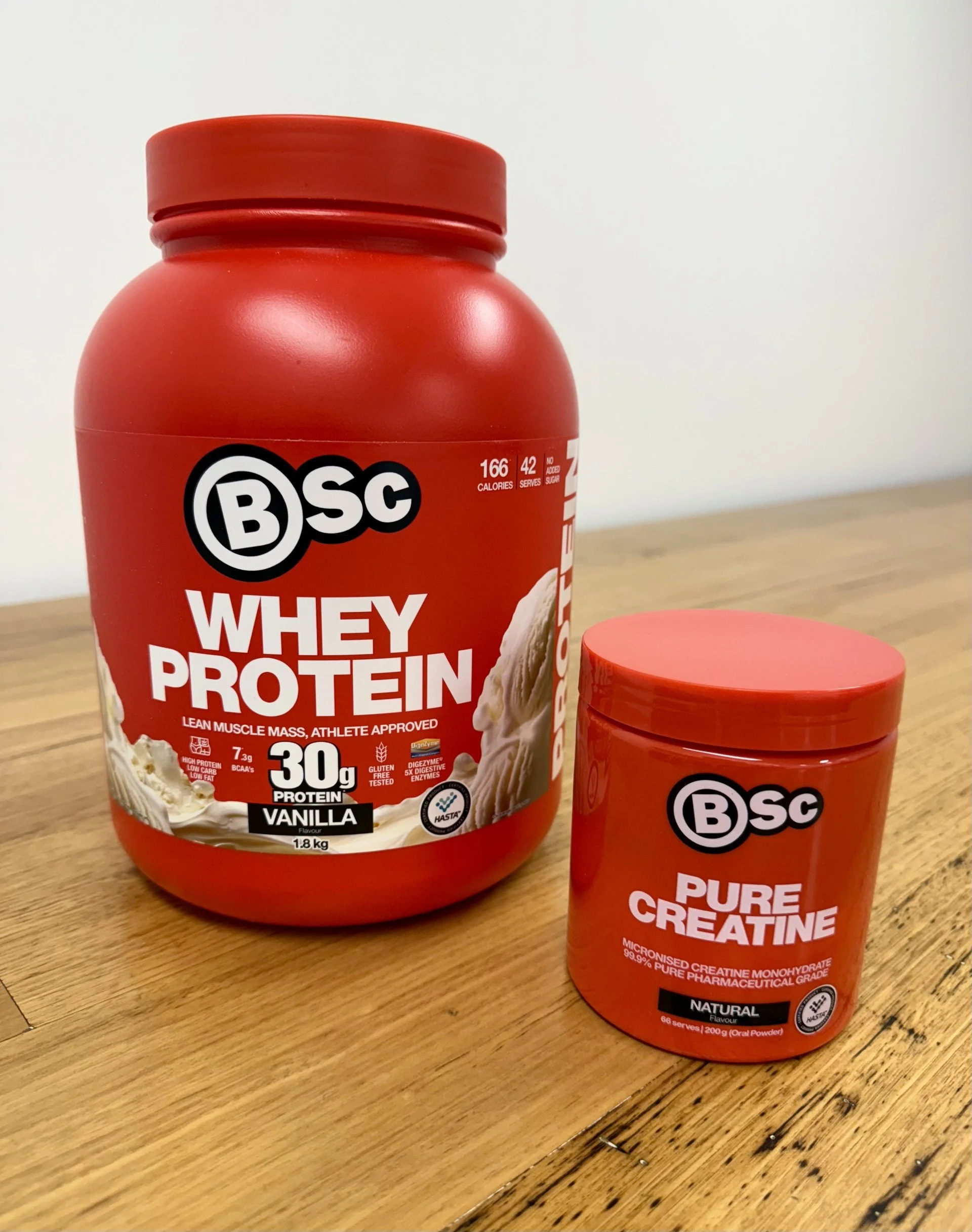
Creatine vs Protein for teenagers who want to bulk up

If I had a most Frequently Asked Questions section, creatine and protein for teenagers would be right at the top. It would most likely be asked by a teenage boy who was trying to bulk up for basketball, football or just for the beach. Or it might be their mum, dad or coach asking. The desire (or pressure) to gain muscle for young active males is increasingly prevalent. Whether it be for performance, aesthetics or a bit of both, the strategies introduced via food and supplements can literally make or break a young person. But how much protein is necessary for teenagers and is creatine really worth the hype?

Why do kids want to put on weight?

Concerns about body image and appearance are inextricably linked to the teenage years. The rise of social media and things like the new Looksmaxxers trend don’t help, and while traditionally the appearance focus for boys has been lean and toned, there is currently an increased focus on bulking up - fast. Aesthetics is one thing, but the type of teenagers I see in clinic who want to gain muscle are usually also interested in performance benefits. It may be that a teenager is feeling too light to compete - they are looking for a performance advantage over their peers or just want to keep up with the average. This is a particular problem for adolescent boys - they all grow at different rates and body shape and comparison of size and strength within an age group is a futile activity. Those who hit puberty earlier are going to be bigger and stronger - it’s just facts. But this gap creates urgency for young kids playing sport and rather than allowing natural development, the race begins to attempt to force muscle growth.

The Quick Fix

How can I get big fast? The natural tendency is to look for a magic solution. Some do want to work on their training and diet, but the allure of legal enhancement via supplements is increasingly appealing. There’s also the illegal enhancement options, however we’ll park that one straight away in discussions around adolescents (while acknowledging this is an option that some individuals look to pursue). Nutrition can be the next step, but I am pretty sure many teenagers miss the ‘eat well’ part and head straight to the protein powders and creatine without getting food right first. A suggested order of introduction for teenagers wanting to fuel and perform well and support muscle development:

Eat well - start with that.

Protein powder - rarely required.

Creatine - no, absolutely not.

Start with food

If a child or teenager is truly eating well to support growth, training and general energy expenditure the benefits are significant. With some tailored planning, most kids can meet their daily protein needs. The part that can be more challenging is the calories. Active teenagers can find it difficult to find enough time and appetite to eat and drink enough to meet their elevated needs, and often kids have no interest in scheduling their life around snacks! It’s usually not extra protein they need (although some do need strategies to assist) - it’s extra energy. Yes, meet base protein needs via food and drinks, and bolster these with additional calories. Protein powder not required. Instead of the protein shake, make a fruit smoothie with the lot that provides the protein along with all the extra nutrients and energy.

Protein powder

There aren’t too many situations where a teenager needs a protein shake. Saying that, occasionally for convenience or for vegetarians there could be a place to add it to dietary intake, but usually there’s no need for expensive powders as a daily supplement. There are plenty of foods that contain protein and that are also rich in other important nutrients for kids (see link to my article at the end for more on protein). Many typical protein powders are just protein with no other nutritional value.

Creatine

It’s quite staggering how popular creatine has become and somehow it seems to be sneaking into the lives of an increasing number of teenagers. Creatine is a well-researched supplement, however it’s not well-researched in bodies that are still growing. When kids can achieve amazing progress with their development when supported by age-appropriate training and nutrition, there’s no need to mess with that process. There are risks of trying to force weight gain, especially in a growing adolescent who is also training hard, and without proper research we don’t really know the entirety of risks we may be exposing kids to.

When the creatine gummies become more of a priority than eating breakfast and snacks with protein, we have an even bigger problem. Creatine is not going to work without the baseline nutrition and training in place - a complete waste of time and money and not without potential risks.

What works?

If teenagers really want to build some muscle then they have to get serious about their nutrition. The amount and timing of protein is important but perhaps not as important as total energy (calorie) intake. It’s a myth that elite athletes all take supplements like protein powder and creatine. If some of the best athletes in the world focus on the fundamentals of nutrition, training and sleep to support performance, why would we experiment with kids who are still growing? Muscle growth and development in teenagers are often related to stage of puberty, so it’s critical to stop comparing and focus on the things that will help you reach your potential, safely, and at a developmentally appropriate pace.

Interested in this topic? More articles on my website below:

Back to basics protein - foods that contain the most and best protein for recovery and training

Why junior athletes are not small adults when it comes to body composition

Recovery smoothie recipe

I also have my book Super Food for Performance in Work, Sport and Life in printed and ebook format on sale here.


Green vegetables can make you go faster and for longer - really!

Fresh greens from Dad’s garden!

Fresh greens from Dad’s garden!

‘Eat Your Greens’. You have no doubt heard this one before!  From a parent, a grandparent, or maybe from a dietitian.  If you’ve heard it from a sports dietitian lately it is with good reason – eating enough of the right type of vegetables, particularly green and leafy varieties, can help you go faster, and/or for longer.  Pretty handy for many athletic pursuits – whether you are elite performer or working on your personal PB.  Here’s how it works. 

Why green veg?

Yes, green vegetables are great for vitamins, minerals, antioxidants, fibre, etc.  But green leafy vegetables like spinach, lettuce, rocket (arugula) and kale also contain nitrate – so does beetroot.

How does it work?

Nitrate from food has a remarkably clever role in the body.  It is converted to nitrite by bacteria in the mouth, which is then converted to nitric oxide in the stomach.  Nitric oxide acts as a neurotransmmitter for a range of body systems and can have a number of positive effects on the body. Studies show that dietary nitrate, at doses that are commonly found in vegetable-rich diets, exerts beneficial effects on cardiovascular health via effects from nitric oxide.  It’s likely that nitric oxide (and potentially other nitrogen compounds), are responsible for the impact on sports performance.

The main benefit of nitrate appears to be a reduction in the oxygen demand and energy cost of exercise, thereby improving efficiency at submaximal workloads.  An improvement in exercise efficiency theoretically allows an individual to exercise at a greater intensity for the same level of effort OR sustain the same level of performance for a longer period of time (delayed onset of fatigue).

Who is it good for?

Up until recently, nitrate was considered of most benefit to endurance athletes due to the impact on oxygen use, however more recent research indicates a positive impact on muscle force development –  which translates to potential benefits for strength, speed and power athletes, as well as intermittent team sport performance.

A number of studies, including those by Larsen et al (2007) and Bailey et al. (2009) have found that sodium nitrate consumption, in an amount achievable with regular green vegetable intake, resulted in reduced oxygen use during submaximal exercise, coupled with an improvement in cycling time to exhaustion. When it comes to performance, Lansley and colleagues (2011) reported an improvement of ~3% to 4km and 16km cycling time trials respectively, in trained individuals following an acute dose of beetroot juice consumed in the hours before exercise.

As a lot of my work is with team sports, a study on football (soccer) players in 2016 by Thompson et al also attracted my interest, with 5 days of beetroot juice supplementation prior to a YoYo test showing an increase in distance covered.

How much, when and how?

Athletes commonly take nitrate via a concentrated beetroot juice shot, taken either in a regular daily dose and/or in the hours prior to exercise.

The standard dose is ~ 5-6 mmol (or ~300 mg) nitrate, provided by one beetroot shot.  However there may be benefits of a higher dose, and some individuals may need more to see an effect.  Those with a higher fitness level (>65ml/kg/minVO2 max)  may also have less of a response.

Care should be taken however not to over-consume, and supplements are not recommended for this reason.

It takes around 2 hours for nitrate from food to be converted and delivered to key areas for a performance impact.  Some athletes take nitrate prior to an exercise session, however it may be more effective (and better overall nutritionally) to have a regular intake, spaced out over the day, during periods of high training loads ie. vegetables!  The standard dose from one beetroot shot is equivalent to ~250-300g nitrate-rich vegetables and regular intake may provide similar results to more acute pre-training doses.

Put it into practice

Aim for ~250g of nitrate-rich vegetables per day:

Spinach

Kale

Rocket/arugula

Lettuce

Chard

Celery

Beetroot

Cabbage

Parsley

Radish

Leek

Broccoli, carrot, cauliflower, cucumber and pumpkin are a little lower in nitrate, but the amount can add up if you are having reasonable portions.

Vegetables can vary in their nitrate content due to location and farming methods. For example, vegetables grown with nitrogen containing fertilizer will yield the greatest amounts of nitrate (therefore organically grown vegetables are likely to have lower nitrate levels).

Cooking method is also important, with boiling being the most likely cooking method to create nitrate loss. 

Any risks?

When we think ‘nitrate’ we often think preservatives.  There have been potential health risks associated with high levels of nitrate from foods, additives and water sources, however both the WHO and The European Food Safety Authority have indicated that the beneficial effects of eating vegetables and fruit as part of a balanced diet outweigh any potential risk to human health from exposure to nitrate through vegetables, and that intake up to 250- 400g mixed fruit and vegetables per day would likely not exceed ADI (acceptable dietary intake) and in fact may provide health benefits.  If you are an avid vegetable fan, you may need to be cautious, particularly with rocket (arugula) for example as it is one of the very high nitrate vegetables and excessive intake should be avoided.

Eat Your Greens

So the moral to the story is ‘Eat Your Greens’ – everyday – particularly during times of hard training.  The current research surrounding nitrate from food sources reports potential benefits for a range of sporting situations, improving skeletal muscle efficiency and having performance effects on endurance, high-intensity intermittent exercise and muscle power.

Speak with an Accredited Sports Dietitian if you would like to review your nitrate intake or if you would like more information to suit your specific needs.

For more sports nutrition updates and tips, you can find me on Instagram, Facebook and LinkedIn.

Why I joined the team at Chris Hemsworth’s 'Centr' fitness app

Image courtesy of Centr

Image courtesy of Centr

You would not be alone if on first impressions you thought Chris Hemsworth’s new Centr health and fitness program was just another celebrity program with plenty of hype but not necessarily substance.  Celebrity programs have received much criticism for their lack of evidence-based content, however not all online health and well-being programs are the same…..some take their nutrition seriously - and they do it well.

That’s why when they asked me to join the team of experts, to provide dietary advice, I decided to say yes. And for all of my friends, no I didn’t get to meet Chris…yet.

Centr for example uses a range of experts to provide exercise, nutrition and lifestyle advice.  I know first hand that all of their nutrition content, which includes recipes, articles, nutrition tips and meal plans, are carefully planned, created and reviewed by the nutrition experts and the team at Loup (a complete digital business that produces online health and fitness programs) which includes an Advanced Sports Dietitian (me!).   Loup are super passionate about health, nutrition, food (and food enjoyment), and provide ongoing support and expertise to the Centr program (in addition to other programs such as Tiffany Hall’s TiffXO and Emily Skye Fit). Great care is taken to provide nutrition content that is based on science, and anything that needs clarity gets checked off by me prior to publishing.    

Centr DOES provide meal plans, but with significant flexibility built in, and a focus on food enjoyment and listening to your body rather than counting calories and macros. Recipes incorporate seasonal, nutrient-dense wholefoods, to help nourish our bodies and brain rather than promoting a  ‘diet’ approach.  Yes, there are some issues with prescriptive meal plans in general, but Centr provides meal plans as a starting guide - in fact many, if not most, members do not follow the meal plans to the letter, but use them for recipe ideas to suit their food preferences and lifestyle.  The overall nutrition program aims to educate and empower individuals to actively change habits for a positive impact on both physical and mental health and well-being.    Clear recommendations are provided to seek individualized advice from an Accredited Dietitian for those with specific needs.

Online programs and meal plans are often criticized, and I admit a few years back I was one of those criticizing, but the feedback from Centr speaks for itself – individuals making better lifestyle choices and creating new habits leading to improvements in health, well-being, body composition, energy levels, confidence and happiness.  Thousands of individuals, from vegans (Centr has the most amazing vegan recipes!), to pescatarians to those who enjoy all foods.  The potential benefits for participants seem to far outweigh any perceived negatives.

Of course online programs are not for everybody – there will always be an important role for individualized advice and private consultation with dietitians like myself.  But if an online program can have a positive impact on individuals by providing credible and accurate nutrition information, delicious recipes, and practical meal ideas, this can only be a positive.

I am also available for individual consults online, regardless of where you are in the world - head to the Get in Touch or Book an Appointment page if you think your nutrition could do with an upgrade. Or check out my book Super Food for Performance in Work, Sport and Life for nutrition tips, snack and meal ideas, and recipes.

Five reasons why red meat is good for athletes

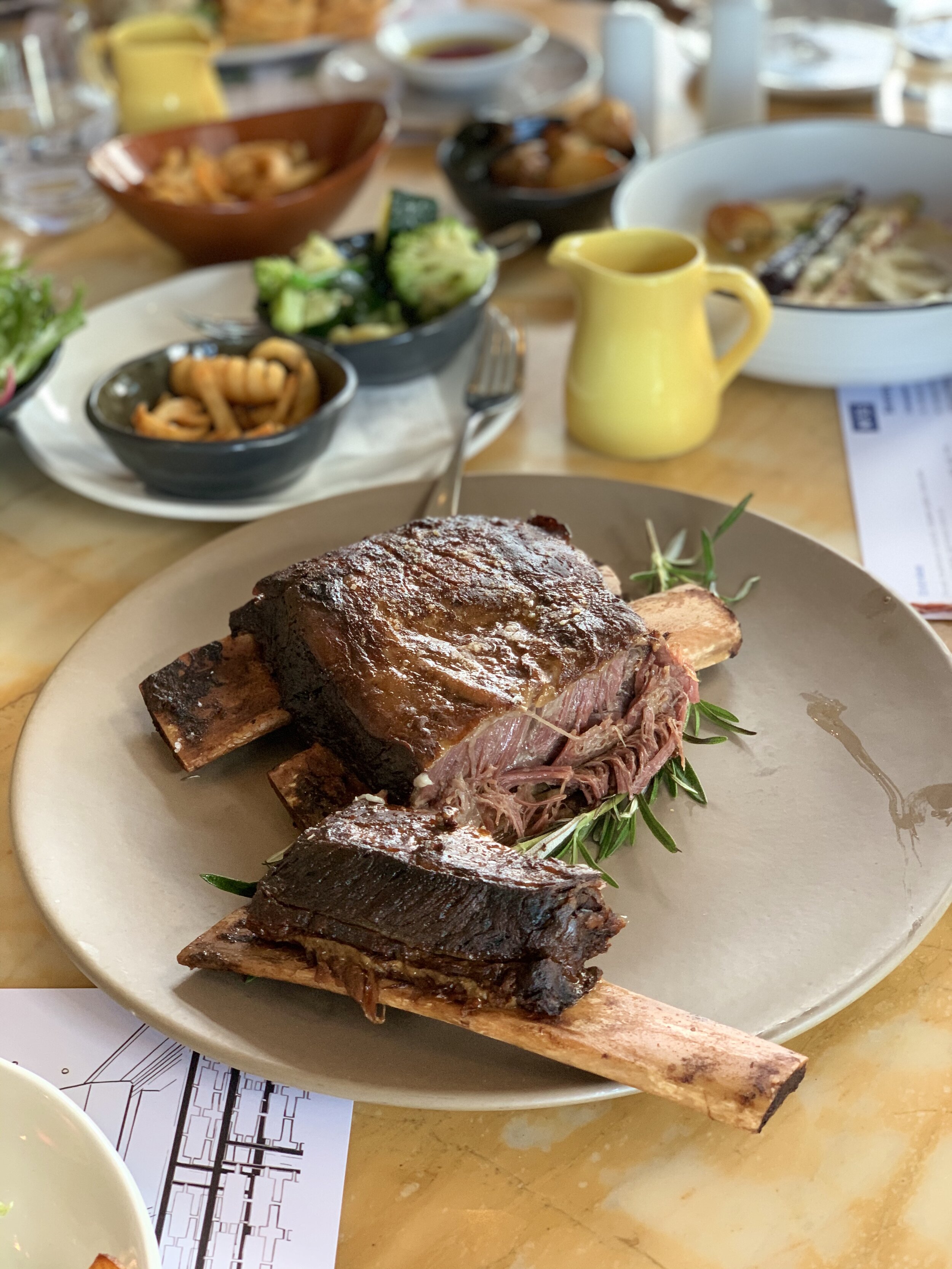
beef ribs 20.jpg

I remember my first sports nutrition lecture at university, where sports nutrition at the time was compared to what athletes may have been eating centuries ago.  Red meat was clearly on the menus of our athletic ancestors with ancient Greek marathon winners awarded cattle for their endeavours, and a hearty steak pre-race may not have been uncommon.  The science of nutrition has come a long way since then, and although steak may not be a pre-race meal of choice, the nutrition benefits of red meat for athletes continue to be recognised. 

Nutrition fads come and go, and the popularity of red meat has catapulted from one extreme to another.  Current dietary guidelines suggest a prudent intake of red meat, however not everyone follows these guidelines, with the recent jump onto the Paleo bandwagon keeping the grass-fed beef farmers in business.  Regardless of the style of eating, when it comes to sports nutrition, red meat is a winner.  We don't always talk about meat as a food on it's own, often you hear about the importance of nutrients like protein or specific minerals for athletes, but when we break it down, meat is amazingly rich in a range of nutrients.

Here are my top 5 reasons why red meat is good for athletes:

Number 5 - Healthy fats

Discussions around red meat and health usually focus on saturated fat content, or more recently cancer risk.  If you look closely at the fat composition of Australian beef and lamb you will find that they do in fact provide omega-3 fats.  Not as much omega-3 as fish, but meat isn't all 'bad' fat. If you are concerned about your body fat levels, you can reduce the calories of meat by choosing lean cuts or trimming fat from meat, or cooling casseroles after cooking and skimming fat from the top. 

With regard to the impact on cancer risk, it is the cured and processed meats that seem to be the main concern.  It is still wise to vary your protein foods and not eat red meat all of the time, but for most people you don't need to omit fresh meats. 

Number 4 -  Minerals

Beef and lamb are a great source of zinc and Vitamin B12, important for athletes.  Zinc is important for muscles and immune system, and may play a role in testosterone levels in males. 

Vitamin B12 is important for a range of body systems and may impact on immune function and energy levels.  Vitamin B12 is only found in animal products, and a small-medium size steak will provide your daily RDI.

Number 3 - Satiety

Do you usually find you are still hungry after a meal of steak and vegetables??  No, most likely not.  Red meat is filling due to the high protein content, and is broken down slowly in the digestive system so can keep you full for longer.  You don't need a huge serve either.  Protein in a meal can also lower the glycemic index, helping to keep blood glucose levels stable.  Red meat can help to manage hunger, as do other protein-rich foods, if you are an athlete trying to manage your weight or body fat levels.

Number 2 - Iron content

Iron is an essential nutrient for athletes.  Red meat contains haem iron, which is more easily absorbed than the non-haem iron found in plant sources. The easiest way to meet your dietary iron needs is to eat small serves of red meat regularly (x3-4 per week), plus include a range of other iron-rich foods.  Don't forget to add a food containing Vitamin C to your iron-rich meal for optimal iron absorption.

For more information about why iron important and a table of different foods and their iron contents, have a read of my article on the 2XU website, Iron Tough or Rusty.

Sports Dietitians Australia also have a great Fact Sheet Iron Depletion in Athletes.

Number 1 - Protein

Probably the best thing about red meat is the quality and amount of protein.  Red meat contains all the essential amino acids, making it high quality.  This includes leucine, the critical amino acid for stimulating muscle protein synthesis to promote muscle recovery and growth.  Meat is also protein-dense, so you only need a small serve for a big dose (lean beef contains approximately 30g protein per 100g, this can vary according to cut of meat).

For more information about protein and other foods that are great protein options, Back to Basics Protein - Foods That Contain the Most and Best Protein for Recovery and Training

If you choose not to eat meat for ethical reasons there are other foods such as dairy, eggs, nuts and seeds.  For athletes who follow a vegan style of eating it can be very difficult to meet needs for nutrients such as protein, iron, calcium and Vitamin B12.  It's not impossible, there are plenty of vegan athletes out there, but it takes significant time, effort and planning, as well as supplementation, to get nutrition intake spot on.

If you are an athlete who does eat red meat, then it's worth making a special effort to eat small amounts of fresh red meat regularly, in combination with other high quality protein sources,  for energy levels, recovery and performance.

For more sports nutrition info, follow me on Facebook or Twitter and sign up for my newsletter at the bottom of this page below.

Vitamin D for athlete health and performance

It is quite likely that you may have low Vitamin D levels.  Recent estimates indicate that over 75% of the general population may be Vitamin D deficient.  If you are an athlete, you may be at even higher risk of having low levels, and this is a problem because Vitamin D is important for health and potentially performance.  In recent weeks I have found myself talking to many athletes about Vitamin D.  The end of winter is approaching in Australia, a time of year where Vitamin D levels can be on the downward slide.  I have also read a number of journal articles of late that highlight the important role of Vitamin D for athletes.

I am prone to low Vitamin D levels.  I am not a great one for regularity in taking supplements, so I am probably Vitamin D deficient right now if I am honest.  Particularly as we are continuing to endure a pretty cold winter here in Melbourne, and most of us in the southern states will find that our Vitamin D levels decline by the end of winter when we haven’t seen much sun for a while.  So what is all the carry-on about Vitamin D?  Why do we need it, who is at risk of deficiency and how can you improve your Vitamin D levels?

Why are so many people Vitamin D deficient?

Vitamin D is a pretty clever little vitamin and plays an important role in many of our body systems.  The big problem with Vitamin D is that we generally don’t know that our levels are low until something major happens eg. bone issues.  Unlike iron, where our body will often let us know via various symptoms that our levels are on the decline, Vitamin D isn’t quite as helpful and we can go for a pretty long time without being alerted to low levels.  The only reason I found out that my levels needed a boost was through a routine blood test when I was pregnant, so goodness knows how long my levels had been low for.

Unfortunately sometimes when you address one issue it can create another.  Sunscreen is essential for protecting our skin from the sun’s rays.  If you block the sun, you help to reduce the risk of skin cancer.  But you also block the sun’s amazing ultraviolet (UV) radiation which is required for the production of Vitamin D in the skin.  So all of our slip, slop, slapping, which is absolutely important to avoid burning our skin, doesn’t do much for our Vitamin D. 

Who is at risk?

Lack of sunlight is the number one risk factor for low Vitamin D.  So if you spend a lot of your daylight hours inside, like a number of athletes I work with who train predominantly indoors, your levels may be low.  Athletes may also have increased physiological demands for Vitamin D, compared to the general population.

Other individuals at higher risk include:

  • indoor lifestyle eg. work, study.

  • if you cover your skin for religious reasons.

  • if you have naturally very dark skin.

  • if you avoid the sun for cosmetic reasons or skin protection.

  • specific medical conditions.

There is some debate over the cut-off values for Vitamin D levels in the blood, and whether the set levels are in fact too high, meaning that more people are being diagnosed as being low in Vitamin D.  It is important to speak with your GP or medical professional to determine the best way to address your Vitamin D status and needs.

Why is Vitamin D important?

Bones - Vitamin D controls calcium levels in the blood and is required for the absorption of calcium from the gut, which in turn is important for bones.  Low Vitamin D can increase the risk of musculoskeletal problems, including bone conditions such as osteopenia and osteoporosis.  For athletes, an increase in bone turnover with low Vitamin D can increase the risk of bone injuries such as stress fractures.  Sufficient Vitamin D may help to prevent this.

Immune System - Vitamin D is thought to have a role in maintaining a healthy immune system, and some studies suggest that Vitamin D deficiency may increase the risk of viral respiratory tract infections. Winter is often when Vitamin D levels decrease, so if you are prone to getting sick in the cooler months make sure your Vitamin D levels are kept up throughout.

Mental health – There seems to be a link between Vitamin D and mental health, including moods and even depression.

Muscle strength – Vitamin D may have a particularly important role for improving muscle strength in athletes.  There is a potential for increased size and number of type II fast twitch muscle fibres and a study in athletes showed a positive impact on muscle function with Vitamin D supplementation if levels are low.

Injury prevention - Low Vitamin D may increase the risk for inflammatory-related injuries.

Performance - Few studies have looked at Vitamin D and its direct effect on performance in young adults, however multiple performance studies in older adults have related low vitamin D levels to decreased reaction time and poor balance.  There may also be a potential impact on VO2 max.

Strategies to increase Vitamin D levels

  • Spend some time out in the sun without sunscreen on  

    • Find a balance between sun exposure for Vitamin D and protecting your skin against skin cancer.  The amount of time required for exposure will vary depending on where you live.  Check the SunSmart website for more details on exposure times in Australia.    

  • It's difficult to obtain enough Vitamin D just from foods.  Only 5-10% of our Vitamin D may come from food.  Foods that are rich in Vitamin D include– salmon, dark-flesh fish, egg yolks, fortified foods (like milk), UV mushrooms.

  • Vitamin D supplementation may be required for certain individuals.  Speak with your health professional about appropriate dosages if you have been found to have low Vitamin D levels

Summary:  For athletes, there is limited evidence to support vitamin D as a direct performance enhancer, however optimal Vitamin D is important for health, immune function and reduced risk of bone injuries such as stress fractures, and muscle injury. Although Vitamin D is not shown to have a direct performance effect, the indirect impact could make a significant difference to performance and health/injury outcomes.  Further research is required to determine the magnitude of effect of vitamin D on performance, in particular the areas of strength, power, reaction time and balance.

This post presents information of a general nature only.  For individual advice about nutrition and supplementation you should consult with an Accredited Practicing Dietitian or appropriate health professional.
References: 
  • Ogan,D. & Pritchett, K.  Vitamin D and the Athlete: Risks, Recommendations, and Benefits. Nutrients 2013, 5:1856-1868

  • Von Hurst, P.R. & Beck, K.L. Vitamin D and skeletal muscle function in athletes. Curr Opin Clin Nutr Metab Care 2014, Nov;17(6):539-45

  • SDA Fact Sheet – Vitamin D

  • AIS Fact Sheet – Vitamin D