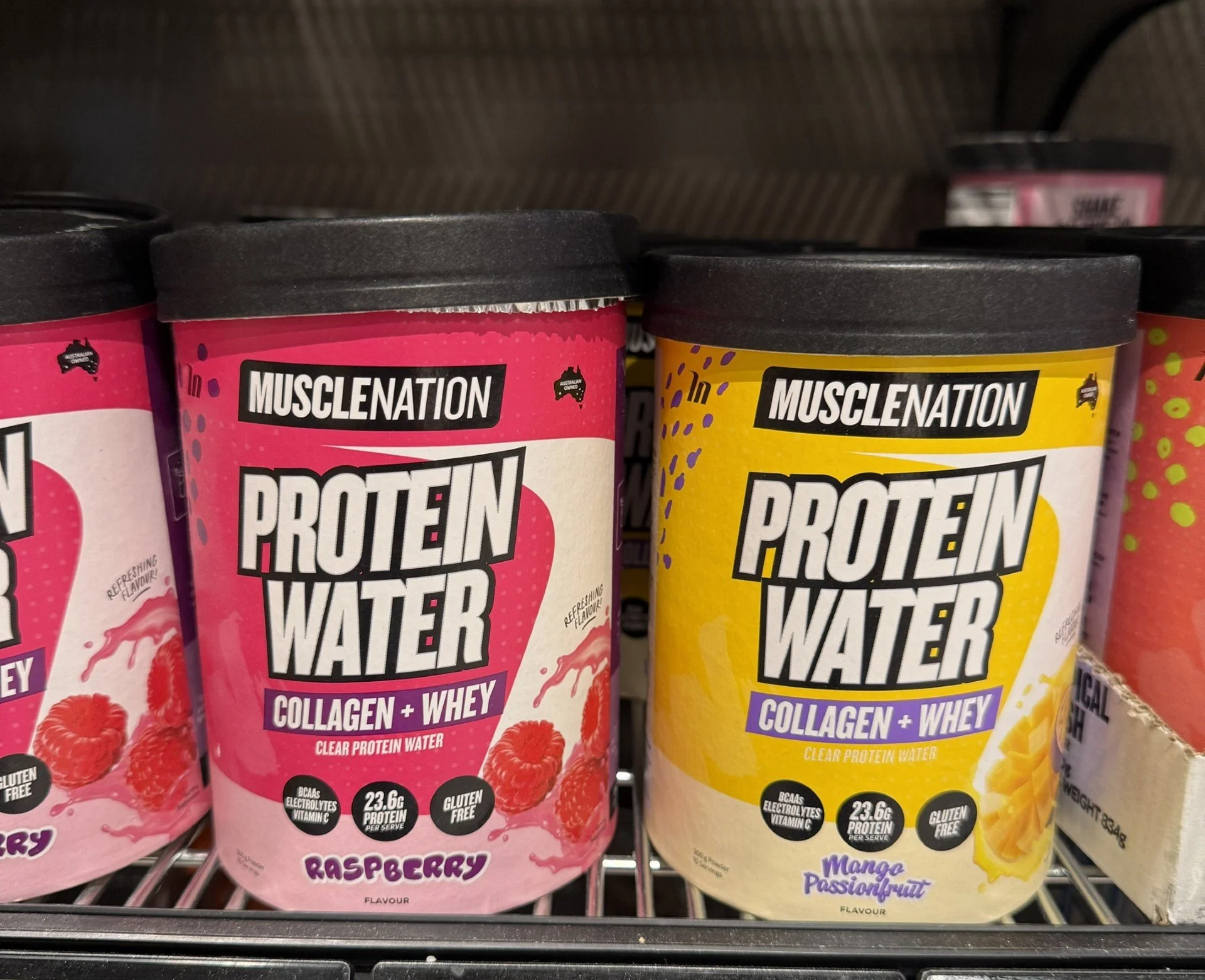
With the increasing number of collagen and protein products out there, it can be hard to know what they do, if they are worth it and will they work for you? Collagen presents itself in powders, bars, desserts and even hot chocolate, and touts impressive claims for improving skin appearance, reducing wrinkles, fixing joints and helping muscles recover from the gym. While there is some evidence for the benefits of collagen, is it really the magic supplement it claims to be? Whether it’s collagen and or whey protein, the right choice of supplement and how we take it will determine if there will be any benefit. Dose matters too. If we are spending all that money on protein, how do we choose so it works at its best for our specific needs? Let’s take a closer look at collagen vs whey.
What is collagen?
Collagen is the most abundant protein in the body. It’s a key component of structures such as bones, ligaments, tendons, cartilage, blood vessels, organs and as we are constantly reminded, skin. Our body produces it’s own collagen, but this reduces as we age. There are a few specific foods that provide collagen eg. gelatin and bone broth, however a lot of collagen these days is consumed via commercial products with a measured daily dose. With advancing research there is a focus on the amount of collagen consumed, rather than relying on an unknown quantity from animal foods.
Collagen is a very specific type of protein. It doesn’t act like most protein powders in the body and it could not be any more different to whey protein. When collagen is consumed it is broken down to the predominant amino acids glycine and proline. These are then available for rebuilding in the body (you can read more about the specifics of collagen here Can jelly heal tendons? Maybe..... ) and may be beneficial for connective tissue and are used widely for tendon health. Studies on oral collagen supplementation are still mixed, and unfortunately collagen will have zero impact on muscle - remember this when you are buying protein powder!
What is whey?
Unlike collagen, whey protein contains all of the essential amino acids your body needs and is therefore a complete protein. It’s rich in leucine, which is the main amino acid involved in driving muscle protein synthesis. That’s why whey is often promoted as the golden choice for muscle recovery after exercise. Whey protein is often recommended due to it’s quality and speed of digestion, however in many situations the speed of absorption isn’t critical to muscle recovery and a high-quality protein food option will do the trick quite nicely. WPI is a little more refined than WPC and the main difference is a little less carb/lactose in WPI, but differences are negligible and both are very effective protein sources for muscle recovery.
Which one for what?
Collagen can potentially be beneficial for connective tissues that require collagen for structure. But lacking leucine, collagen is pretty much useless for muscle recovery. So if you see a powder that’s recommended for muscle gains but is predominantly collagen, it’s not going to help your muscles and you will be wasting your money.
For muscle growth and recovery, it’s whey all the way.
When and how
The collagen dosage found to be useful for tendon and ligament health is very specific, as is timing (refer to Can jelly heal tendons? Maybe...... ). Whey is often recommended to consume within a short period after exercise, however rapid intake is less important than overall high quality protein intake over a day. Whey can be great for convenience and ease, but you can also get your protein from food without the need for supplements.
What to do
If you have sport or exercise goals and you are looking for a great recovery option to get the best results for muscle then whey is your go-to.
If you have a recent tendon/ligament injury and you are trying to speed up recovery – collagen might help. Dose, timing and intake of other nutrients like Vitamin C is everything. Perhaps worth discussing with your local Accredited Sports Dietitian if you have specific injury recovery goals.
Collagen won’t help muscle. Whey won’t help tendons. Eating well and tailoring protein intake and supplements to your individual needs may very likely help both.